
Camping is all about blending with nature while retaining some creature comforts. A solar shower can be a game-changer, offering a warm rinse after a long day in the wild.

If you’re searching for a shower, this guide will walk you through the essential features, alternative options and expected costs, ensuring you make an informed choice.
Key Features to Look for in a Solar Camping Shower
When choosing a camping shower, consider the following features to ensure you get the best experience:
- Capacity: The water capacity is crucial. Typical options range from 2.5 gallons to 5 gallons. A larger water storage means longer showers but also more weight to carry.
- Material Quality: Durable, heat-absorbent materials like PVC or TPU ensure longevity and effective heating. Look for UV-resistant coatings to prevent degradation from sun exposure.
- Portability: A compact, lightweight design is essential for easy transport. Some models come with foldable or collapsible features, making them ideal for packing.
- Heating Efficiency: The best sun showers can heat water to around 113°F (45°C) in just a few hours of sunlight. Opt for models with a clear front and reflective back to maximize heat absorption.
- Ease of Use: Look for user-friendly designs, including easy-fill openings, sturdy handles for hanging and convenient on/off valves. A temperature gauge can also be a helpful feature.
- Accessories: Some shower bags come with extra features like detachable hoses, spray nozzles and pockets for soap and shampoo. These can enhance your bathing experience significantly.

Solar Shower
Gravity-Fed Pressure
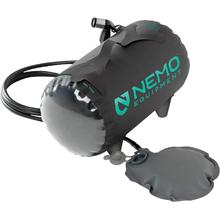
Solar Shower
Foot Pump Pressure
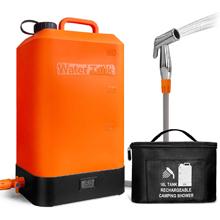
Solar Shower
Battery Powered Pressure
Alternative Options: Pros and Cons
Besides traditional solar showers, there are several alternative options available, each with its own set of advantages and disadvantages.

- Pros:
- Instant Hot Water: These systems provide hot water on demand, making them ideal for cold weather or early morning showers.
- Higher Water Pressure: Typically, they offer a more consistent and powerful water flow, similar to what you’d experience at home.
- Longer Wash Times: With a continuous propane supply, you can enjoy longer showers without worrying about running out of hot water.
- Cons:
- Heavier and Bulkier: The need to carry a propane tank makes these units heavier and more cumbersome to transport.
- Costly: They are more expensive upfront and incur ongoing costs for propane fuel.
- Maintenance: Require regular maintenance to ensure safety and functionality, adding to the overall effort.
2. Battery-Powered Portable Showers:
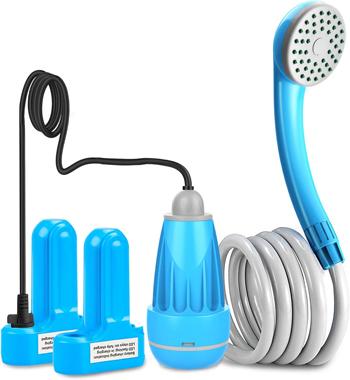
- Pros:
- Weather Independence: Can be used in any weather, making them versatile for various camping conditions.
- Lightweight and Easy to Carry: Generally compact and easy to pack, perfect for backpacking or car camping.
- Rechargeable Batteries: Often come with rechargeable batteries, which can be powered up via USB or solar panels.
- Multiple Spray Settings: Many models offer adjustable spray patterns, enhancing the rinse-off experience.
- Cons:
- Limited by Battery Life: Bathing time is restricted by battery capacity, requiring frequent recharging.
- No Heating Capability: These units don’t heat water, so you need to preheat it or find a warm water source.
- Durability Issues: Battery and pump components can be less durable over long-term use compared to more straightforward systems.
3. Gravity-Fed Camping Showers:

- Pros:
- Simplicity: No need for fuel or batteries, making them straightforward and easy to use.
- Lightweight and Durable: Often made from sturdy materials, these showers are easy to pack and transport.
- Affordability: Generally the most cost-effective option, making them accessible for all campers.
- Cons:
- Lower Water Pressure: Relies on gravity for water flow, resulting in weaker pressure compared to other types.
- Sun-Dependent Heating: Heating is reliant on solar energy, which can be slow and less effective in cloudy conditions.
- Limited Capacity: Typically hold less water, which can restrict bathing duration and comfort.
Cost Expectations
Price can vary widely based on capacity, materials and extras:
- Basic: Priced between $10 and $20, these are simple bags with limited capacity (2.5-3 gallons) and basic materials. Ideal for short trips or occasional use.
- Mid-Range: Ranging from $20 to $50, these models offer better materials, larger capacities (up to 5 gallons) and additional features like temperature gauges and improved valves.
- High-End: Costing $100 and above, these bathing systems provide superior materials (like TPU), advanced heating efficiency and extra accessories. They are built for frequent use and longer trips.
The Bottom Line:
Choosing a sun-heated travel shower involves considering your specific needs and preferences. Whether you prioritize portability, capacity or heating efficiency, there is a solar shower out there to enhance your camping experience.
Remember, a little investment in a quality solar water-heating system can significantly improve your outdoor adventures, providing the comfort of a warm rinse even in the heart of nature.
Last Updated June 24, 2024