
A sun-powered shower offers the perfect blend of convenience, sustainability and luxury for your outdoor spaces.

Whether you’re rinsing off after a swim, cleaning up after gardening or simply enjoying an al fresco shower, this guide will walk you through the essential features, pros and cons, common problems with solutions and cost expectations for this practical addition to your outdoor experience.
Key Features to Look for:
When selecting a solar-powered shower, focus on features that enhance usability and durability:
- Material Quality: Choose corrosion-resistant materials like stainless steel, aluminum or UV-resistant plastic.
- Water Capacity: A 5-10 gallon tank is typically sufficient for multiple uses.
- Base Stability: Ensure a sturdy, non-slip bottom for safety.
- Heating Efficiency: Look for efficient solar panels and a well-insulated tank that heats water up to 113°F (45°C).
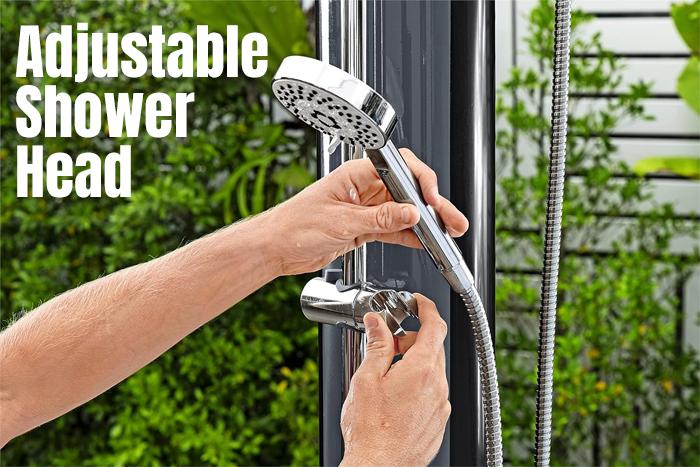
- Adjustable Shower Head: Multiple spray settings enhance the experience.
- Ease of Assembly: Opt for easy-to-assemble models with clear instructions.
- Additional Features: Extras like built-in thermometers, detachable hoses and soap holders add convenience.


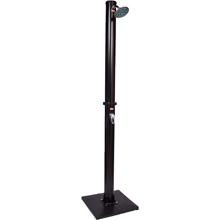
Pros and Cons of Solar Showers:
Understanding the benefits and drawbacks can help you make a well-informed decision:
Pros:
- Eco-Friendly: Utilizes solar energy, reducing reliance on electricity and fossil fuels.
- Cost-Effective: After the initial purchase, operating costs are minimal since it runs on free solar energy.
- Convenience: Ideal for outdoor use, providing a practical solution for gardens, poolsides and campsites.
- Portability: Many models are designed to be portable, allowing for easy relocation as needed.
Cons:
- Weather Dependent: Solar showers rely on sunlight to heat water, which can be less effective on cloudy days.
- Initial Setup: Some models require a bit of assembly and installation, which might be challenging for those not handy with tools.
- Limited Water Capacity: While sufficient for quick showers, the tank capacity might not be adequate for extended use or multiple users in one go.
Common Problems & Easy Solutions:
- Insufficient Heating:
- Solution: Ensure the solar panel is positioned to receive maximum sunlight. Clean the panel regularly to remove dirt and debris that may block sunlight.
- Low Water Pressure:
- Solution: Check for any kinks or blockages in the hose. Make sure the shower head is clean and free from mineral buildup.
- Leaks:
- Solution: Inspect the connections and seals. Tighten any loose fittings and replace damaged gaskets or O-rings as needed.
- Stability Issues:
- Solution: Ensure the stand is placed on a flat, stable surface. If the ground is uneven, use additional supports or anchors to stabilize the base.
What to Expect to Pay:
The price of a solar-powered shower (that includes a stand) varies based on materials, capacity and extras:
- Basic Models: Priced between $50 and $100, these offer essential features with smaller capacities and simpler designs. Ideal for occasional use.
- Mid-Range Models: Ranging from $100 to $250, these showers offer better materials, larger tanks and enhanced features like adjustable shower heads and thermometers.
- High-End Models: Costing $250 and above, these provide superior durability, larger capacities and advanced features. They are designed for frequent use and offer a more luxurious shower experience.
The Bottom Line:
Choosing the best solar-powered outdoor shower requires understanding your needs. Focus on key features, weigh pros and cons, and be aware of common problems. A quality shower enhances your outdoor experience and supports a sustainable lifestyle.
Last Updated June 2024